The Case for Independent Print in a Screen-Tired World
Printed publications offer something screens struggle to provide: a focused experience with a clear beginning, middle and end. Independent magazines, catalogues and journals can hold a reader’s attention without notifications competing for every spare second. For small publishers and creative brands, print also creates a physical record of ideas, photography and design. Its value now comes from being selective, well produced and enjoyable to keep.
The Fatigue of Constant Scrolling
Long periods online can leave readers feeling distracted, especially when work, news and entertainment all arrive through the same device. The reported rise in digital fatigue helps explain why paper still appeals. A printed page allows someone to concentrate without pop-ups, autoplay videos or an endlessly refreshing feed.
Independent print benefits from this slower pace. Readers can make notes, return to a feature or pass an issue to somebody else. Publishers should support that experience with a manageable page count, calm layouts and articles that reward ten minutes of uninterrupted reading. A quarterly journal with six strong features may feel more valuable than a monthly issue filled with material produced simply to meet a schedule.
Tactile Value in Modern Branding
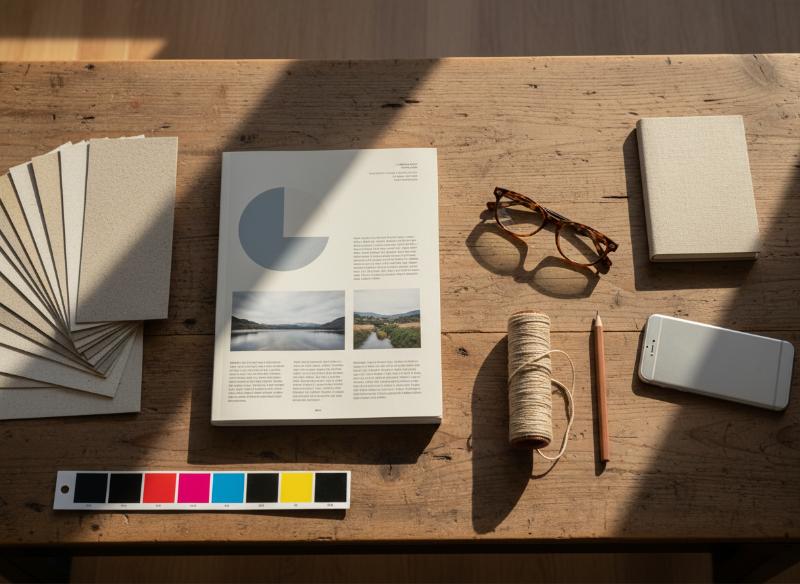
Paper makes a brand tangible. Stock weight, binding and finish communicate quality before the first article has been read, while a carefully designed cover can remain on a coffee table for weeks. This gives print a useful role for membership organisations, cultural projects and businesses that want to share substantial stories. The choice of paper, finish and overall design also shapes how people perceive printed materials, whether it’s a publication or professionally designed business cards.
Professional magazine printing becomes particularly relevant once a project needs consistent colour, dependable finishing and production management. Start by defining how the publication should feel in the reader’s hands. An arts journal might suit uncoated paper with a natural texture, while a design-led product publication may need sharper image reproduction on coated stock. The physical choices should reinforce the editorial personality instead of drawing attention away from it.
Selecting the Right Print Specifications
Begin with the publication’s purpose, expected lifespan and image content. A programme designed for one event has different requirements from an annual journal that readers may keep. Page size also affects postage, display and production cost, so test a simple paper mock-up before approving the final format.
The power of print depends partly on how comfortably people can read and use the finished item. Check that body text remains clear under ordinary indoor lighting and leave enough space around photographs and headings. Ask your printer about minimum page counts for each binding method, colour profiles and proofing. Also confirm whether the quoted page total includes the cover. These details prevent late design changes and help keep the budget under control.
Distributing to an Invested Audience
Independent print works best when it reaches people who already care about its subject. A smaller, relevant circulation often produces better engagement than leaving large quantities in venues with little connection to the content. Use newsletter sign-ups, event registrations and previous orders to estimate genuine demand before setting the print run.
Distribution can also shape the publication itself. A local interiors journal could partner with studios and independent shops, while a membership magazine might be posted directly with renewal information. Give every issue a clear release date and tell readers what it contains before orders open. Pre-orders provide useful evidence of demand and reduce storage needs.
A printed publication earns its place when readers choose to keep it. Thoughtful specifications, confident editing and a realistic circulation turn each copy into an object with a purpose, not another item destined for recycling.