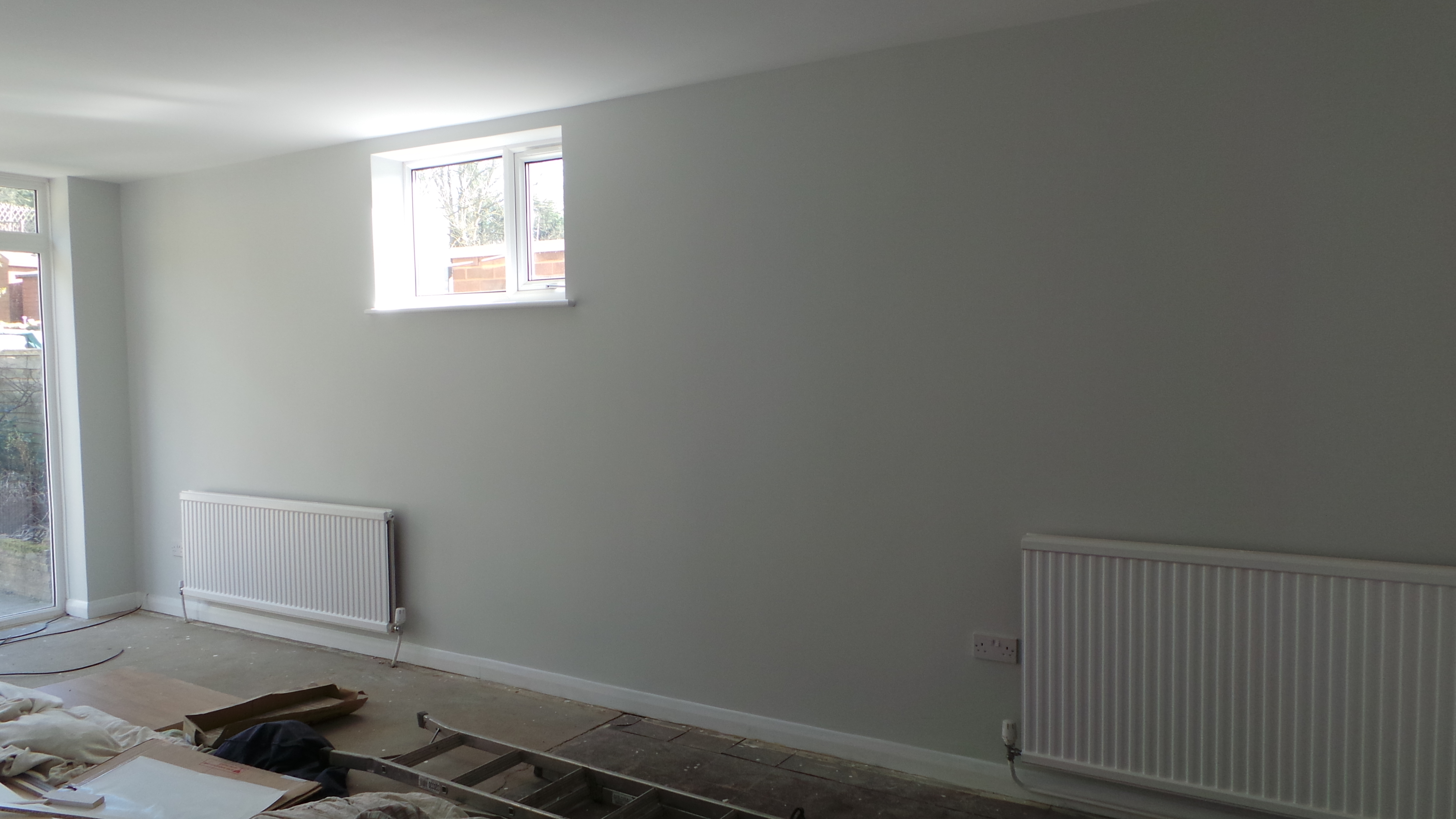
Why Modern Offices Are Embracing Muted Palettes
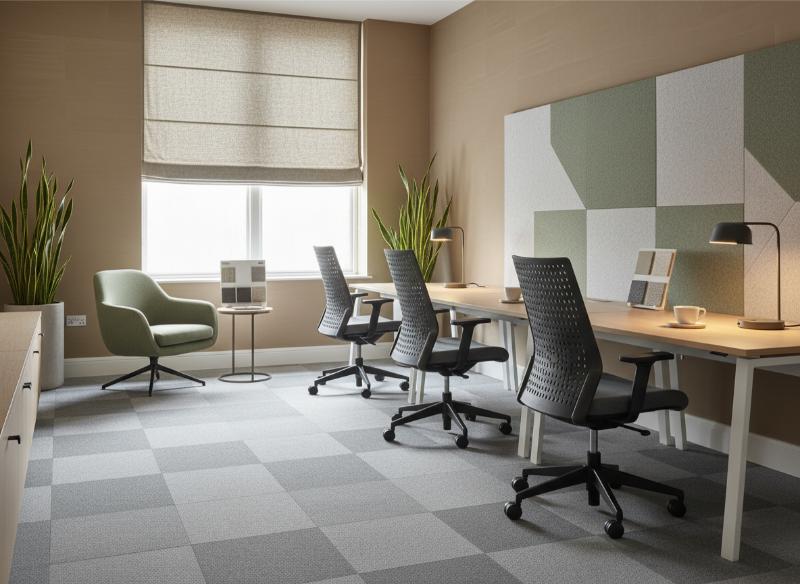
Muted colour schemes have become a practical choice for offices that need to feel polished, comfortable and easy to maintain. Soft greys, warm taupes and gentle greens create a composed backdrop without competing for attention. They also suit hybrid workplaces, where one room may host focused work in the morning and client meetings later that day.
The best muted interiors still have character. Careful choices in flooring, texture and lighting prevent neutral spaces from feeling flat, while a restrained palette makes future updates much easier.
The Psychology of Calming Workplace Tones
Colour can influence how people experience a room, particularly when they spend several hours there. Understanding how workplace colours affect mood and focus can help you choose cooler tones for concentration and warmer neutrals for more welcoming shared spaces.
Start by considering what happens in each space. A soft blue-grey may suit a quiet room where employees write reports or take video calls. Warm stone shades often work better in reception areas and informal meeting spaces, where an overly cool scheme could feel impersonal.
Natural light matters too. Test samples beside windows and in darker corners, then check them at different times of day. Muted colours can appear considerably cooler under bright artificial lighting, so review lamps and finishes as part of the same decision.
Balancing Aesthetics With Everyday Durability
An office finish must cope with chair movement, muddy shoes, coffee spills and frequent cleaning. Mid-tone neutrals are especially forgiving because they hide everyday dust and minor marks more effectively than very pale or extremely dark surfaces.
Flooring deserves close attention because it covers such a large visual area. Commercial grey carpet tiles offer a neutral base for offices while allowing individual sections to be replaced if they become damaged or stained. This modular format can be particularly useful beneath desks, in entrances and along busy walkways.
Compare samples for pile density, backing and suitability for commercial traffic. You should also view several tiles together. Small variations that look subtle on one sample may become more noticeable across an entire floor, especially in a large open-plan room.
Office updates work best when appearance and practicality are considered together. Thoughtful workspace improvements can make an office more functional and comfortable without requiring a complete redesign.
Texture Layering for Visual Depth
Muted rooms feel richer when their surfaces respond differently to light. Combine a softly textured floor with smooth desks, woven task chairs and acoustic wall panels. Even within a grey scheme, these changes create shadows and definition that stop the office looking one-dimensional.
Keep the mix controlled. Two or three recurring textures will usually give a small office enough visual interest. For example, pair charcoal fabric seating with pale timber desks and lightly flecked flooring, then repeat those materials across meeting areas.
Plants can soften the harder edges of screens and storage units, while curtains or fabric blinds improve both texture and sound control. Choosing office colours that support the room’s purpose can also help you introduce accent shades without overwhelming the quieter foundation.
Future Proofing Against Trend Fatigue
Bold workplace trends can date quickly, particularly when they cover permanent surfaces. A restrained base gives you more freedom to update the office through items that are simpler and cheaper to replace, such as artwork, planters, lamps and chair upholstery.
Choose a small family of compatible neutrals instead of applying one identical shade everywhere. Warm grey flooring, off-white walls and muted green details can create clear visual zones while still feeling connected. If the brand colours change later, that foundation should accommodate a new accent with minimal disruption.
Keep spare paint records, flooring references and supplier details after the project is complete. This small administrative step makes future repairs more consistent. It also helps facilities teams avoid replacing an entire finish when one worn section needs attention.
A successful muted office should feel considered without demanding constant notice. Before approving the final scheme, place the proposed wall, floor and furniture samples together in the actual room. That simple test reveals undertone clashes far more reliably than viewing each finish separately on a screen.