What Really Makes a Boutique Dental Clinic Feel Premium
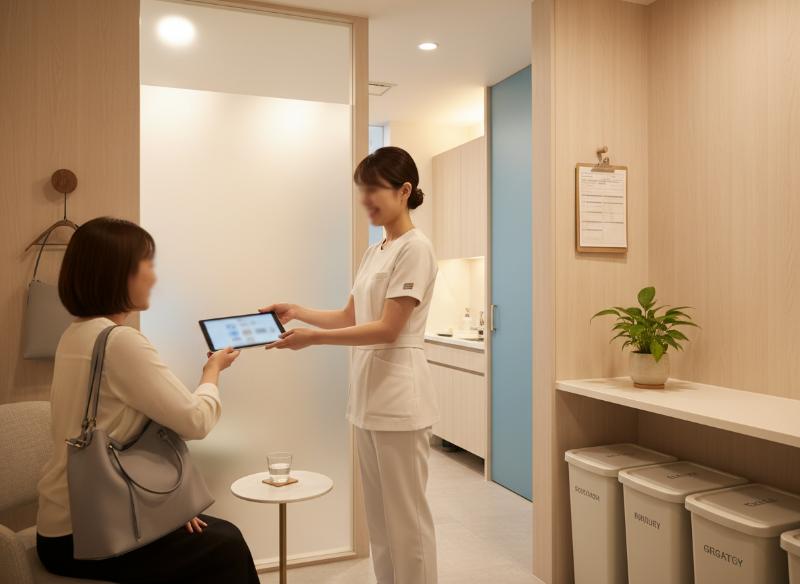
What makes a dental clinic feel truly premium? It isn’t necessarily the designer furniture, elegant interiors, or impressive reception area. It’s the reassurance patients feel when they’re welcomed by name, the confidence that every clinical detail is handled with care, and the comfort of knowing their needs won’t be overlooked. In boutique dentistry, luxury goes far beyond appearances. It lives in the small, thoughtful details that transform an ordinary appointment into an exceptional patient experience. But what really separates a clinic that looks impressive from one that consistently earns patients’ trust and loyalty?
Hospitality Meets Clinical Care
Patients want to feel recognised as people, especially when they’re nervous or attending an unfamiliar clinic. Good dental practice hospitality starts with a warm greeting, clear directions and a receptionist who knows why someone has arrived without asking them to explain personal details in a busy waiting room.
The growing expectation of a five-star dental experience also shapes how boutique clinics organise appointments. Small touches such as introducing every team member, explaining likely waiting times and checking how a patient prefers to receive updates can make clinical care feel more personal.
Consistency matters. A polished welcome loses its value if a patient then feels rushed in the treatment room. Every member of staff should use clear language, allow time for questions and explain what happens next.
Invisible Standards Behind Seamless Visits
Many premium standards remain out of sight, yet they have a direct effect on trust. Clean treatment areas, accurate records and well-planned appointment schedules allow staff to focus fully on each patient. A clinic should also have documented procedures for opening rooms, preparing equipment and checking supplies between appointments.
Responsible waste handling belongs in this operational groundwork. Arranging a managed dental practice waste collection service can help clinics organise scheduled collections, suitable containers and different waste streams correctly. These practical systems reduce clutter and support consistent working routines behind the scenes.
Patients notice the results even if they never see the process itself. Appointments begin on time, surfaces look orderly, and staff don’t need to leave the room repeatedly to find supplies. Clinics can maintain this standard through daily checklists, regular team training and short audits of storage areas and patient-facing spaces.
Sensory Details That Ease Anxiety
Dental anxiety can begin with a smell, a sound or an uncomfortable wait. Boutique clinics should review the environment from a patient’s perspective, starting at the entrance and continuing into the treatment room.
Soft, even lighting generally feels calmer than harsh overhead glare in reception. Comfortable seating with supportive backs suits a wider range of patients, while good ventilation helps the space feel fresh. If music is used, it should sit quietly in the background so that patients can still hear staff clearly.
Choice can also reduce tension. Offering water, explaining where coats and bags can be placed and asking whether a patient would like a step described before it happens gives them a useful sense of control. Staff should avoid strong fragrances because some visitors may have sensitivities or migraines. A calm environment depends on restraint, cleanliness and careful observation, not an overload of decorative features.
Building Long-Term Patient Loyalty
Loyalty grows when the quality of care remains dependable after the first appointment. Before a patient leaves, staff should explain any aftercare in plain English, confirm the next step and provide a named contact for questions. Written instructions should match the advice given in the room, helping patients maintain good oral health through consistent daily care and regular dental check-ups.
Follow-up messages need careful timing. A brief check-in after a substantial procedure can feel attentive, while repeated promotional emails may weaken trust. Clinics should record communication preferences and use them consistently.
Feedback also needs a visible response. If several patients mention confusing arrival instructions, for example, the clinic can update confirmation messages and add a clearer entrance sign. When someone raises a concern privately, acknowledge it promptly and explain the action taken.
The strongest boutique clinics remember the details that affect future visits, from accessibility needs to a patient’s preferred form of address. That careful record-keeping allows the next appointment to begin with recognition instead of repetition, which is one of the clearest signs that premium care is genuine.