Self-Care Habits That Help You Perform at Your Best

In today’s demanding professional world, it’s easy to push yourself too hard, blurring the line between performing at your best and burning out. Many people think working longer hours and always being connected are the only ways to succeed. But that’s not really true. Lasting success actually comes from taking care of yourself. This isn’t about being self-indulgent; it’s a smart way to keep your mind sharp, your body strong, and your motivation high.
The Link Between Wellbeing and Work
Your health and how well you work are definitely linked. If you don’t take care of yourself, you might find your thoughts are fuzzy, you’re less creative, and it’s harder to solve problems. Constant stress doesn’t just feel bad; it actually messes with how your brain works. On the flip side, when you actively manage your health, you’re directly investing in your career. Someone who is well-rested, eats well, and feels comfortable physically will be more focused, innovative, and productive. The first step to long-term success is seeing self-care as a key part of your professional tools.
Morning Routines for Energy
How you start your day really sets the tone. Instead of grabbing your phone and jumping straight into emails, try a routine that builds your energy instead of draining it. The morning routines of successful people often have a few things in common: they’re planned and focus on both your mind and body. Begin with a glass of water to rehydrate. Then, spend five to ten minutes doing some simple stretches to wake up your muscles. Even a quick walk around the block can clear your head and get your blood flowing. This prepares you for the day’s challenges much better than frantically scrolling through your inbox.
Targeted Relief for Aches and Pains
Spending hours hunched over a laptop can really take a toll on your body. Many desk workers complain about neck strain, tight shoulders, and lower back pain. An ergonomic chair and a properly placed monitor are good starting points, but sometimes you need more direct help. Stretching regularly throughout the day can stop your muscles from getting stiff. For deeper tension, specific bodywork can offer huge relief. For example, regular Thai massage sessions combine assisted stretching and targeted pressure techniques that can help ease muscle tension, improve flexibility, and counteract the physical effects of prolonged desk work.
Mid-Week Recharge Strategies
By Wednesday, it’s common for energy levels to drop. This is the perfect time to intentionally hit the reset button mid-week. The trick is to physically and mentally step away from your work. Take back your lunch break; instead of eating at your desk, go for a walk to a nearby park or cafe. If you’re short on time, even 15 minutes of quiet reflection or listening to a favourite podcast can be enough to recharge your mind. The goal is to create a clear break that lets your brain switch off, so you can come back to your tasks with fresh focus. It’s a simple but powerful way to maintain self-care when you feel overwhelmed.
Prioritising Rest and Recovery
The “always-on” culture is really bad for high performance. Your mind and body need time to recover and process information. That’s why good sleep is non-negotiable. Create a consistent wind-down routine that tells your body it’s time to rest. This could involve reading a book, taking a warm bath, or doing some gentle yoga. Most importantly, you need to set boundaries with technology. Put your phone away at least an hour before bed, because the blue light can mess with melatonin production. Protecting your evenings and weekends for rest and hobbies isn’t being lazy; it’s a crucial strategy to prevent burnout and make sure you’re at your best on Monday morning.
Nutrition for Sustained Focus
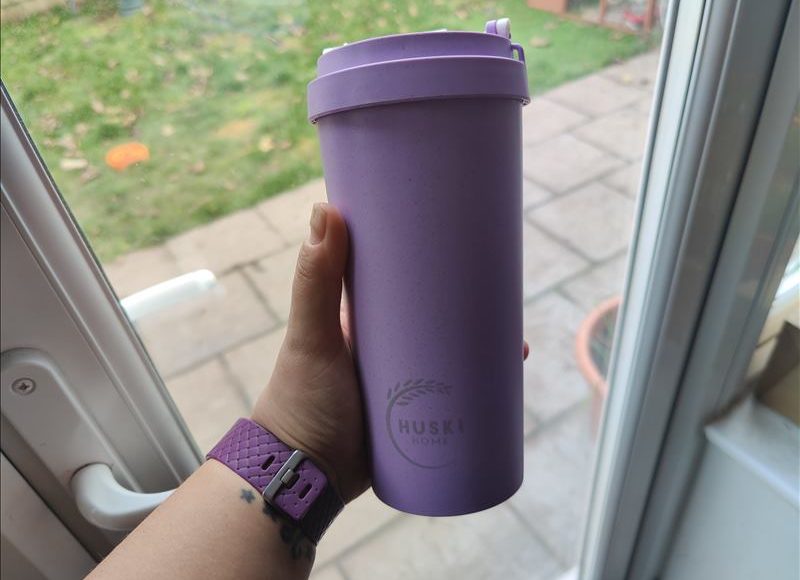
The food you eat is what fuels your brain. Relying on caffeine and sugary snacks for a quick boost often leads to an energy crash later, leaving you feeling sluggish and unfocused. For lasting mental clarity, focus on balanced meals with complex carbohydrates, lean protein, and healthy fats. Keep healthy snacks like nuts, seeds, or fruit nearby to avoid reaching for processed options. Staying hydrated is also super important; dehydration often causes fatigue and headaches. Keep a water bottle on your desk and sip from it all day to keep your brain working at its best.
Self-care isn’t a reward you get after a tough week; it’s actually what makes a productive week possible in the first place. Try adding just one of these habits to your routine and see the difference it makes in how well you work and how you feel overall.