How to Create a Truly Welcoming Venue That Guests Remember
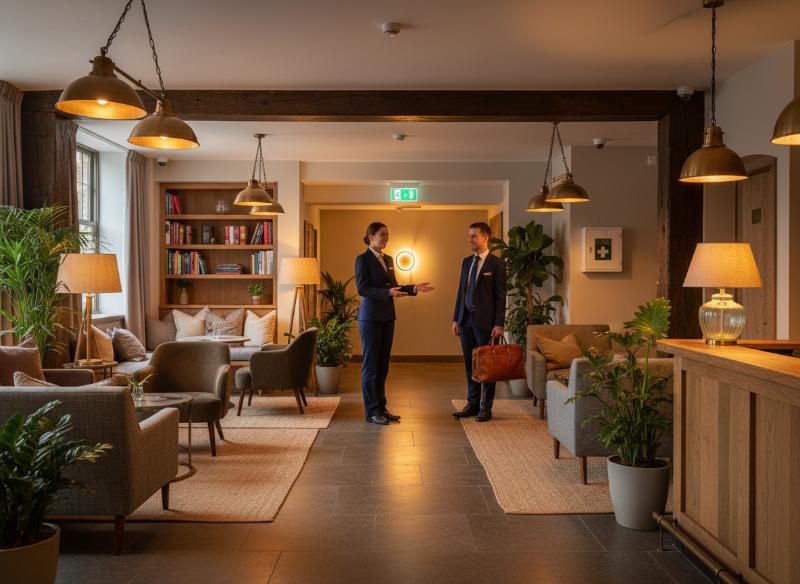
Creating a truly welcoming environment is an art form that goes far beyond a fresh coat of paint or trendy furniture. Whether it’s a chic cocktail bar, a boutique hotel, or a high-end retail space, the feeling a person gets when they walk through the door comes from a complex mix of what they see, hear, and experience with others. Even a beautifully designed venue can fall flat with a tense atmosphere or unwelcoming staff. The best spaces are those that master the delicate balance between stunning looks and genuine, heartfelt hospitality, making every visitor feel not just noticed, but truly valued and safe.
This all-encompassing approach considers every single interaction a customer has, from the moment they arrive until they leave. It’s about creating a unified atmosphere where the physical space and the people in it work together to foster comfort, ease, and a sense of belonging. Doing this means consciously looking past the surface and investing in the things that truly shape someone’s experience.
First Impressions Matter
You only get one chance to make a first impression, and it happens within seconds of a guest stepping into your venue. This initial judgment is heavily influenced by the physical surroundings. A clean, well-lit, and thoughtfully arranged entrance immediately sets a positive tone. Think about what people experience with their senses: what does your space smell like? Is the music at a comfortable volume? Is the temperature pleasant? These subtle cues are processed almost unconsciously, but they have a profound impact on a visitor’s mood.
Even in clinical settings, a good first impression is vital. Research into aesthetic clinic interior design shows how the environment directly influences a client’s perception of quality and professionalism before a single word is spoken. The same idea applies to any hospitality or retail setting. Clutter, poor lighting, or an unpleasant odour can immediately make people uneasy, suggesting a lack of care and attention.
To make a great first impression, focus on these key areas:
- The Entrance: Make sure it’s spotless, clearly marked, and inviting. A simple touch like a healthy plant or a piece of local art can make a big difference.
- Lighting: Use different layers of lighting to create warmth and highlight architectural features. Avoid harsh, overhead fluorescent lights that can feel sterile and unwelcoming.
- Scent: A subtle, pleasant signature scent can become a powerful part of your brand. Choose a fragrance that fits your concept, whether it’s fresh and citrusy or warm and woody.
- Sound: The soundscape should match the desired energy of the space. Whether it’s a carefully chosen playlist or the gentle hum of conversation, manage noise levels so people can interact comfortably.
Design for Comfort and Flow
Once a guest is inside, the interior design plays a vital role in their comfort and how they use the space. A well-designed environment isn’t just about looking good; it’s about feeling good. A well-designed environment isn’t just about looking good; it’s about feeling good. The layout should be intuitive, letting people move around easily without feeling crowded or confused. This concept, known as ‘flow’, is crucial for creating a relaxed atmosphere. Thoughtful design decisions can balance comfort, practicality, and visual appeal, helping create spaces that feel both functional and inviting. The layout should be intuitive, letting people move around easily without feeling crowded or confused. This concept, known as ‘flow’, is crucial for creating a relaxed atmosphere.
The furniture, materials, and colour choices all contribute to the overall feeling of a room. Soft textures, comfortable seating, and natural materials like wood and stone can create a sense of calm and grounding. The way furniture is arranged can either encourage social interaction or offer spots for quiet reflection. As experts point out, interior design can be a powerful catalyst for well-being when it puts human needs before purely aesthetic trends.
Ultimately, designing for well-being means creating spaces that are not only beautiful but also practical and emotionally engaging. Take acoustics, for example. In a busy restaurant or bar, too much noise can be overwhelming and stressful. Adding sound-absorbing materials like upholstered panels, heavy curtains, or even strategically placed bookshelves can dramatically improve the acoustic comfort and allow for more pleasant conversations. Thoughtful design anticipates what people need, creating an environment where they can relax, connect, and feel at ease.
The Human Factor in Hospitality
A stunning interior can grab someone’s attention, but it’s the human element that earns their loyalty. The most beautifully curated space will fail if the staff are indifferent, stressed, or unhelpful. The warmth, professionalism, and attentiveness of your team are what truly make an environment welcoming. Every interaction, from a simple greeting to handling a complex request, shapes the customer’s experience.
Staff who feel valued and supported are far more likely to project positivity and confidence. This creates a positive cycle: happy staff lead to happy customers, which in turn creates a more pleasant atmosphere for everyone. This human-centred approach is what turns a quick visit into a memorable experience. It’s the bartender who remembers your favourite drink or the host who greets you with a genuine smile that makes you want to return.
However, creating a positive atmosphere also means being ready for when things don’t go smoothly. Tense situations can arise in any public venue. Your team’s ability to handle these moments with calm authority is critical to maintaining a safe and welcoming environment for all patrons. Investing in specialised training, such as de-escalation training for bar and pub staff, gives employees the skills to calmly and safely defuse potentially difficult situations. This not only protects the staff and other customers but also strengthens the venue’s reputation as a well-managed and secure establishment.
Empowering Staff for Positive Interactions
Empowering staff means giving them the training, trust, and flexibility to handle customer interactions confidently. Key elements include:
- Thorough Training: Build communication, active listening, empathy, and conflict-management skills through practical training and role-play.
- Clear Guidelines: Set service standards while giving staff room to respond naturally rather than relying on rigid scripts.
- Problem-Solving Freedom: Allow employees to resolve minor customer issues within clear limits without constantly seeking managerial approval.
- Supportive Culture: Encourage questions, feedback, and learning from mistakes while recognising good performance.
When staff feel trusted and supported, they are better equipped to create positive customer experiences.
Proactive Steps for Venue Safety
Feeling safe is the foundation of a welcoming environment. Patrons cannot relax if they feel insecure or on edge. Beyond aesthetics and service, venues need thoughtful safety measures that prioritise guest well-being without feeling restrictive.
Clear protocols are essential, including well-lit areas, visible emergency exits, and staff trained to handle medical incidents and disruptive behaviour. Staff should also know how to recognise early signs of conflict and prevent situations from escalating.
A clear policy for managing work-related violence, supported by proper staff training, protects both employees and customers. Adequate staffing during peak hours also helps prevent overwhelmed teams and service issues. Ultimately, proactive safety creates an invisible layer of hospitality that helps everyone feel secure.
A truly welcoming venue combines thoughtful design with comfort, smooth flow, and empowered staff, creating a space that looks stylish and feels genuinely hospitable.