Hidden Gems and Secret Spots That Make Island Holidays Unforgettable
Mallorca is often thought of in terms of sunny beach breaks and lively resorts, but for those willing to explore beyond the well-trodden paths, the island reveals a side far more enchanting. From peaceful mountain villages to remote coves and immersive night experiences, this Mediterranean gem offers unforgettable moments for travellers looking to connect with something deeper. Discovering the island’s lesser-known delights elevates any holiday into something genuinely special, something that lingers in the memory long after the sunburn fades.
The Charm of Mallorca’s Mountain Villages
While the coastline draws most of the attention, Mallorca’s mountainous interior is home to a collection of villages that preserve the soul of the island. Nestled in the Serra de Tramuntana, these quiet communities offer cobbled streets, terraced groves, and a way of life shaped by tradition.
Fornalutx is one such village, where stone buildings climb the hillside and citrus trees decorate terraces. Walking through the village in the early morning reveals a peaceful rhythm, with locals gathering at the bakery for breakfast and conversation. The lack of commercialisation allows a sense of timelessness to settle in.
Deià, a village with a long-standing connection to artists and writers, offers not only tranquillity but also a visual harmony with the landscape. Its honey-coloured stone houses blend into the slopes, and narrow paths lead to breathtaking coastal views and tucked-away coves. This is where you go to disconnect from the crowds and reconnect with the natural pace of the island.
For visitors looking to explore these places without the stress of mountain driving, Click Mallorca provides small-group guided trips. These curated Mallorca excursions include local insights and transportation, allowing travellers to experience the authentic charm of these areas comfortably.
Traditional Craftsmanship and Local Culture
The mountains aren’t just beautiful; they are also hubs for artisans who keep Mallorca’s cultural traditions alive. In Valldemossa, pottery workshops continue to create classic blue and white ceramics, shaped and painted by hand. Visitors can often see artists at work and take home something one of a kind.
Weaving is another thriving tradition. Local workshops maintain techniques that produce fabrics in red and black stripes, patterns rooted in the island’s visual identity. Watching the looms in action gives a deeper appreciation for the craft, and the finished textiles are meaningful souvenirs.
These cultural encounters make Mallorca tours especially rewarding for those who seek to understand the island beyond its beaches.
Discovering Hidden Coves and Secluded Shores
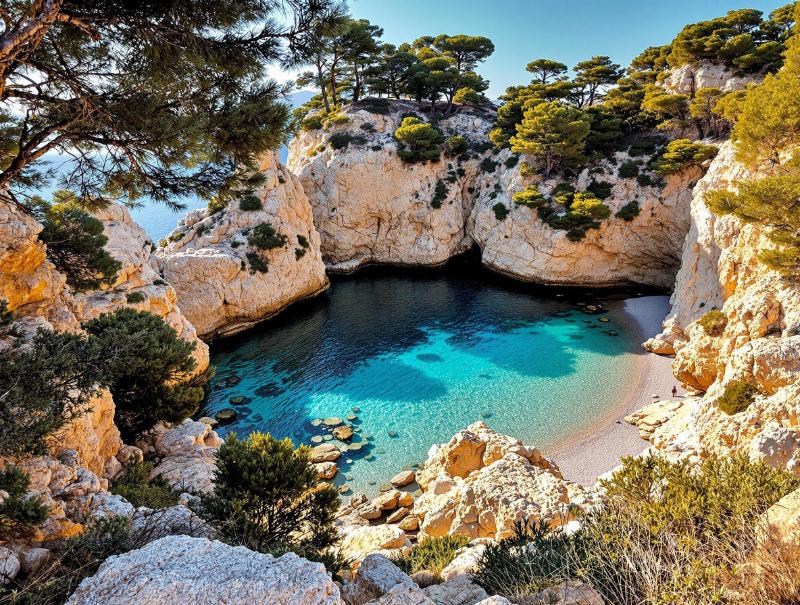
Away from the crowds, some of the island’s finest beaches are reserved for those who venture further. Accessible only by foot or boat, these coves offer serenity and clear waters in exchange for a bit of effort.
Cala Figuera on the northeast coast is one such place, where a moderate hike leads to turquoise shallows and rocky surroundings. The lack of development preserves the area’s natural feel, and visitors must come prepared with supplies, as no facilities are nearby.
Tucked behind pine trees near Cap Formentor lies Cala Murta. This pebble beach, reached via a forest trail, is a snorkelling paradise. The difficulty of access means you’ll likely share the spot with only a few others, especially in the morning when the sea is calmest.
For those who prefer to skip the hike, Mallorca excursions by boat make these hidden beaches accessible. Many trips are guided and include information about the region’s marine history and ecological efforts, as well as opportunities to swim and relax at multiple coves.
Underwater Worlds: Marine Life and Snorkelling
The hidden beaches aren’t just about the views from the shore; they’re also entry points to vibrant underwater ecosystems. These waters are home to wrasse, sea bream, and even octopus, all of which thrive among rocks and reefs away from busy beachgoers.
Seagrass meadows flourish in many of the more remote bays. These underwater plants play a vital role in maintaining the health of the marine environment by supporting young fish and helping filter the water. Responsible snorkellers float gently above the meadows to watch the marine life without causing harm.
Other marine residents include sea stars, crabs, and urchins, which hide among the rocks and sand. A simple waterproof guidebook can turn a casual swim into an educational experience, especially for families or nature lovers keen to learn about local biodiversity.
Stargazing and Evening Activities in the Mountains
When the sun sets, the magic of Mallorca continues. The island’s mountainous interior offers some of the best conditions for stargazing, with dark skies free from light pollution. The elevated areas of the Serra de Tramuntana become windows into the cosmos, revealing constellations, planets, and sometimes the Milky Way.
Guided night tours combine astronomy with cultural storytelling. Participants use telescopes to view celestial sights while learning about both scientific phenomena and Mallorcan folklore. These experiences often include refreshments to enjoy under the stars.
For an indoor counterpart, the Mallorca Planetarium runs evening shows with digital sky projections. These help guests understand what they might see in the sky later, and sometimes include presentations from professional astronomers.
Alternatively, full moon kayaking excursions take place along the coast. As the moonlight reflects on calm waters, small groups explore sea caves and quiet coves, guided by experienced paddlers. These excursions offer a peaceful way to end the day and connect with nature in a new way.
Seasonal Food and Hands-On Culinary Experiences
Mallorca’s food scene follows the seasons. In winter, warm vegetable stews and bread-based soups offer comfort during cool evenings. These traditional dishes are often found in village taverns or prepared during small group cooking workshops.
Spring introduces fresh produce such as aubergines, peppers, and courgettes, which are essential for dishes like trumpet, a simple yet flavourful layered vegetable bake. Some villages offer cooking classes where guests shop for ingredients in the local market before learning how to prepare traditional recipes.
Autumn features the olive harvest. Small mills allow visitors to see how oil is pressed, and tastings help highlight the differences in flavour between fresh and aged oils. Farm-to-table lunches in olive groves offer an authentic culinary memory to take home, often accompanied by local wines and baked goods.
While Mallorca offers plenty of sun and sea, it’s the hidden moments that transform a holiday into something unforgettable. Whether you’re drawn to adventure or tranquillity, the island has countless ways to make your visit extraordinary.