Financial Traps to Avoid When Renovating Older Properties
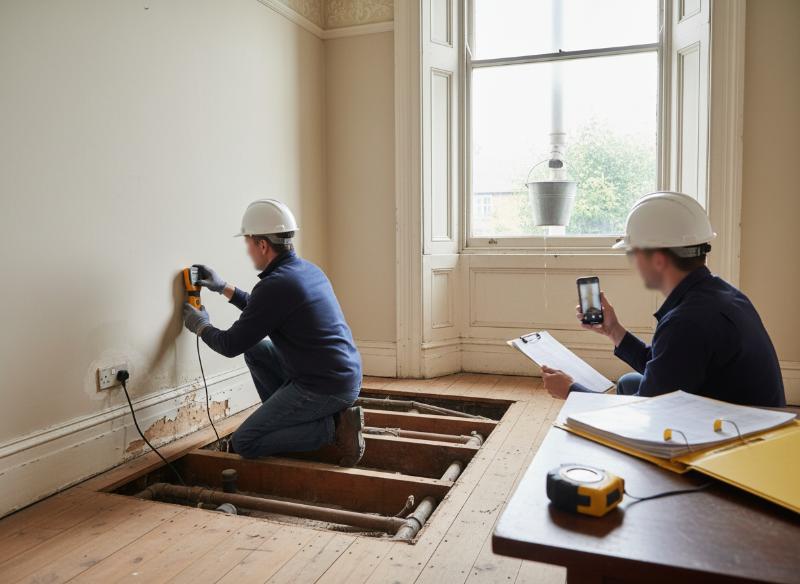
Older properties can conceal expensive defects behind decorative plaster, fitted cupboards and freshly painted walls. A renovation budget based only on visible improvements may quickly come under pressure once work begins. Before exchanging contracts or appointing builders, investigate the building’s structure, drainage and past alterations. Accurate surveys and realistic allowances will help you protect both the project budget and the property’s future value.
Structural Quirks in Period Homes
Commission a building survey from a surveyor who regularly inspects properties of the same age and construction. Period homes often contain shallow foundations, ageing roof timbers and walls built with materials that need to release moisture. Previous owners may also have removed chimney breasts or altered internal walls without adding adequate support.
Guides to hidden period property issues show why cosmetic condition alone tells you very little. Ask your surveyor to distinguish active movement from old settlement and recommend further structural checks where necessary. If you plan to remove a wall, open up the loft or enlarge a doorway, have the proposed load paths assessed before requesting fixed quotations. An early engineer’s fee can prevent costly redesign once construction has started.
Hidden Moisture and Subterranean Water Ingress
Investigate the source of every damp patch before paying for replastering or decoration. Defective gutters, raised external ground levels, leaking pipes and blocked ventilation can produce similar symptoms, yet each requires a different remedy. Below-ground rooms face added pressure because water can pass through walls and floors even when the space appears dry during summer.
For a basement conversion or refurbishment, seek specialist advice on Basement Waterproofing before finalising layouts, flooring and electrical work. The design may need a barrier system, cavity drain membrane or managed drainage, depending on the structure and water conditions.
Record moisture readings and inspect the property after sustained rain if possible. Fix the source first, allow suitable drying time and use finishes compatible with the original building fabric. Otherwise, newly applied plaster and joinery may need replacing within months.
Planning for Unforeseen Contingency Costs
Keep a contingency separate from the money allocated to planned finishes. For an older property, 10 to 20 per cent of the construction budget is often a sensible starting range, although a surveyor or quantity surveyor should adjust that figure to reflect the building’s condition and project scope.
Common problems in older homes include outdated services, drainage faults and concealed deterioration. One opened floor could reveal damaged joists alongside old pipework, turning a simple flooring job into several linked repairs.
Ask contractors to state assumptions, exclusions and provisional sums clearly. Compare quotations line by line, checking who will pay for waste removal, access equipment, testing and making good. Approve variations in writing before work proceeds and maintain a running cost schedule. This prevents several modest changes from quietly consuming the entire reserve.
Preserving Long-Term Equity
Prioritise work that keeps the property dry, stable and legally saleable before spending heavily on fashionable finishes. Buyers and valuers are more likely to scrutinise structural alterations, roof condition, damp history and the quality of major services than premium taps or bespoke paint colours.
Retain surveys, drawings, warranties, invoices and dated photographs of concealed work. If a builder replaces joists or installs drainage beneath a floor, photographs taken before the surface is closed provide useful evidence later. Confirm which approvals and completion records apply before construction starts, since missing paperwork can delay a future sale.
Avoid stripping out every original feature in pursuit of a uniform modern interior. Well-repaired joinery, fireplaces, cornices and floorboards can support the character that gives an older home its market appeal. Spend first on defects that could spread, then choose improvements suited to the building. The strongest renovation record is one that shows exactly how the property was protected behind the finished rooms.