Essential Safety Standards for Professional Decorators
Professional decorating involves far more than achieving a smooth finish and clean edges. Teams regularly handle chemicals, lifting equipment and awkward workspaces, often while other trades or occupants remain nearby. A clear safety system protects decorators, clients and the finished property from avoidable harm. It also gives everyone a shared process for raising concerns before a minor issue becomes a serious incident.
Working at Height Demands Strict Vigilance
Falls can happen from stepladders, platforms and even low-level equipment, so every elevated task needs a quick risk assessment. Guidance covering decorator safety requirements can help teams identify suitable controls for common jobs.
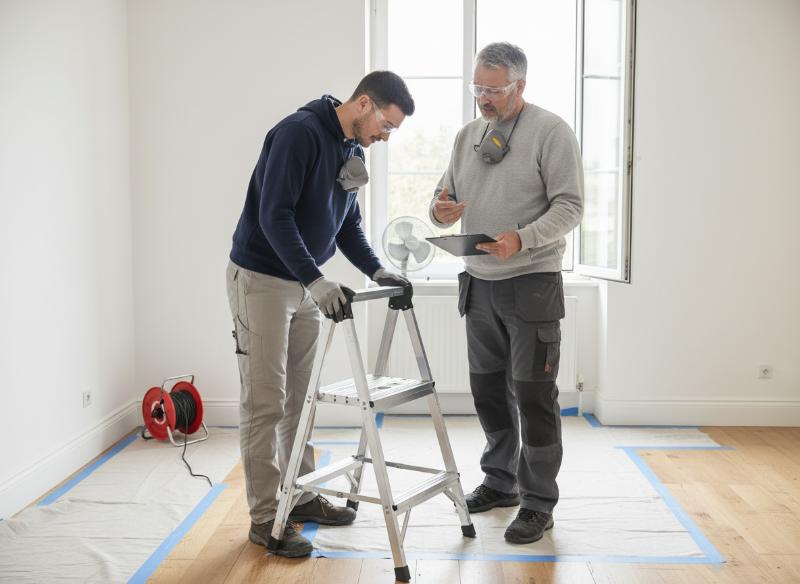
Check ladders for damaged feet, loose rungs and contamination before use. Place them on firm, level ground and keep three points of contact while climbing. Decorators should avoid stretching sideways to reach the final corner of a wall. Moving the ladder takes seconds and prevents a sudden loss of balance. For longer tasks, use a properly assembled platform with suitable guardrails and keep the area below clear.
Hazardous Substances and Inadequate Ventilation
Paints, solvents, fillers and cleaning products may irritate the skin, eyes or lungs. Read the product label and safety data sheet before opening a container, then use the specified gloves, eye protection and respiratory equipment. Practical interior painting safety tips also highlight the value of airflow and careful product handling.
Open windows where possible and use mechanical ventilation in enclosed rooms. Never assume that a small room is safe because the job will only take 20 minutes. If poor controls cause an injury that wasn’t the tradesperson’s fault, they may wish to seek guidance about work accident claims and the records needed to support their account.
Who Carries Duty of Care on Site?
Responsibility usually depends on who controls the premises, directs the work and supplies the equipment. An employer must provide safe systems, suitable training and maintained tools. A principal contractor may coordinate shared access routes and site-wide risks, while self-employed decorators still need to protect themselves and anyone affected by their work.
Before starting, confirm who reports hazards, isolates restricted areas and arranges emergency help. This matters on busy refurbishments where several teams share corridors and staircases. Put these arrangements in writing through an induction sheet or job briefing. A decorator should stop and report work if another contractor removes a barrier, blocks ventilation or creates an unstable working surface.
Seeking Justice for Tradesperson Injuries
After an accident, urgent medical needs come first. Report the event to the site manager or employer as soon as possible and ask for it to be entered in the accident book. Record the date, time, location and work being performed while the details remain fresh.
Photographs can preserve evidence of a damaged ladder, unmarked wet floor or poorly ventilated room, provided they can be taken safely. Keep copies of medical notes, receipts, payslips and correspondence about time away from work. Witness names may also prove useful. Avoid altering equipment or discarding damaged protective clothing until the incident has been investigated. For legal advice, speak to an appropriately qualified professional within the relevant time limits.
Best Practices for Modern Decorating Teams
Good routines should be easy to follow on every project. Begin each shift with a short briefing that covers access, ventilation, products in use and changes since the previous day. Store materials upright with lids secured, keep walkways free from dust sheets and leads and clean spills promptly.
Training should match the work being carried out. A new team member may need supervised ladder practice, while experienced decorators still benefit from refreshers when equipment or products change. Near misses deserve attention too. If a platform shifts without causing injury, record what happened and correct the cause before anyone climbs again.
Finish each project by checking equipment for damage and recording any faults. That final five-minute inspection can prevent the same defect returning to site on the next morning’s job.