Adapting Your Space for Life with Home Comforts
Our homes are more than just bricks and mortar; they are the backdrops to our lives. They witness our growth, our changing family dynamics and our evolving needs. A space that was perfect for a young couple might feel cramped for a growing family, and the home that was ideal for raising children may present new challenges later in life. Adapting our living spaces to reflect these changes isn’t about giving in to limitations; it’s about proactively designing a home that supports and enhances our lifestyle, whatever stage we’re at. By embracing thoughtful design, we can ensure our homes remain comfortable, stylish and functional for years to come. Indeed, considering the evolution of homes from past designs to present-day innovations helps us appreciate how much our living spaces have adapted to modern life.
The Evolution of a Home
Think back to your first home. It was likely a space defined by budget and necessity. As life progresses, our priorities shift. We might crave more space for a family, a garden for relaxation or a home office for remote work. The concept of the home as an adaptive sanctuary has become more relevant than ever. Our homes need to be flexible enough to accommodate hobbies, work, socialising and quiet retreat.
This evolution continues as we get older. The multi-storey townhouse that was once a symbol of success can become a daily obstacle course. The focus shifts from size and grandeur to comfort, safety and ease of use. This doesn’t mean sacrificing the home you love. Instead, it’s an opportunity to re-evaluate and make smart adjustments. Planning for the future allows you to make changes on your own terms, integrating features that will support your independence and well-being long-term, ensuring your home continues to be a source of joy rather than a source of stress.
Comfort-First Design Choices
Creating a comfortable home goes beyond just having a comfy sofa. It’s about engaging all the senses to create an environment that feels genuinely restorative. The trend of ‘comfort decorating’ is all about making your space a personal haven. This means layering textures like soft wool throws, velvet cushions and deep-pile rugs to add warmth and visual interest.
Lighting plays a huge part in the atmosphere of a room. Instead of relying on a single, harsh overhead light, use a combination of sources. Table lamps, floor lamps and dimmer switches allow you to adjust the light level to suit your mood and the time of day, creating a soft, welcoming glow in the evenings.
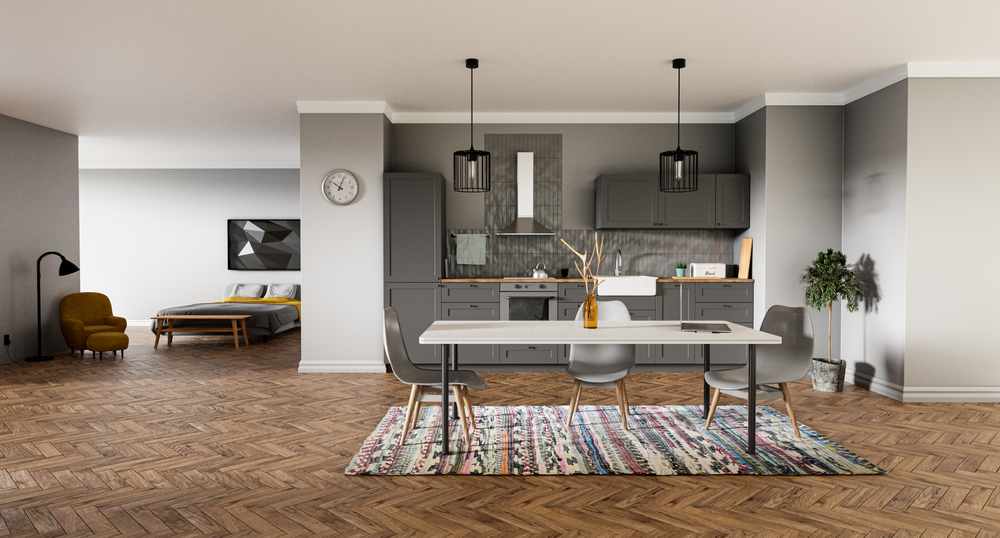
Colour has a profound effect on our emotions. Soft, muted palettes of blues, greens and earthy neutrals can promote a sense of calm and tranquillity. Consider the flow of your home as well. An open-plan layout can feel spacious, but creating designated zones for different activities, like a quiet reading nook or a sociable kitchen island, helps make a large space feel more intimate and purposeful. Ergonomics also matter; choose furniture that not only looks good but provides proper support.
Seamless Mobility Solutions
One of the biggest challenges in adapting a home for the long term is tackling mobility. Stairs, in particular, can become a significant barrier, limiting access to parts of your home. For many, the thought of installing mobility aids brings to mind clunky, clinical-looking equipment that clashes with their home’s decor. However, modern solutions are designed with aesthetics in mind, blending function with style.
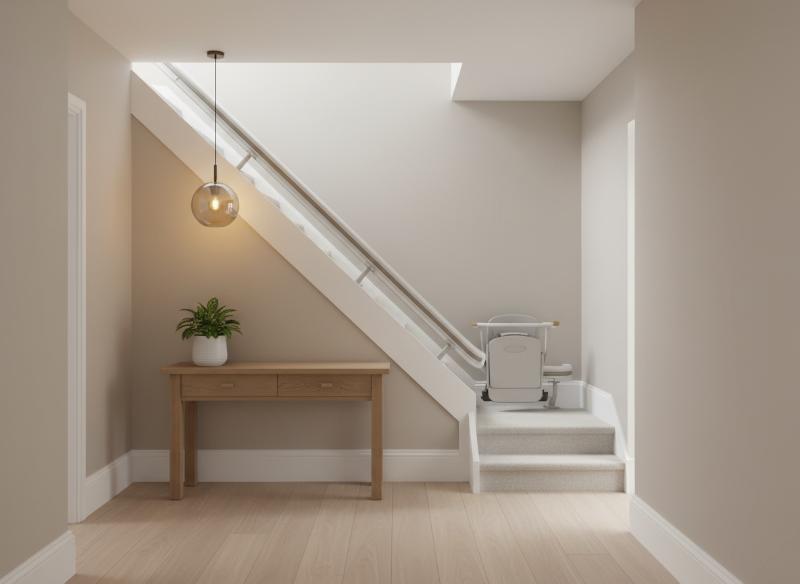
Today’s mobility aids are far more discreet and sophisticated than their predecessors. They are designed to integrate into your home’s character, not detract from it. For houses with winding or non-standard staircases, bespoke solutions are essential. Modern curved stairlifts, for example, are custom-made to fit the precise contours of your stairway, ensuring a snug and unobtrusive fit. With slimline rails and a choice of upholstery for the chair, they can be specified to complement your existing colour scheme and interior design. This approach ensures that maintaining full access to every floor of your home doesn’t require you to compromise on style. It’s a practical upgrade that enhances your quality of life whilst preserving the beauty of your space.
Warmth and Accessibility
Creating a truly accessible home involves looking at every detail, from the ground up. Flooring is a great place to start. Whilst plush carpets are cosy in bedrooms, hard flooring like luxury vinyl tile or engineered wood is often easier to move around on and simpler to clean. In wet areas like kitchens and bathrooms, always opt for non-slip surfaces to minimise the risk of falls. Underfloor heating is another wonderful addition, providing a gentle, consistent warmth that feels luxurious underfoot and eliminates the need for bulky radiators.
Rethinking the bathroom is another key step. Wet rooms or walk-in showers with a low-profile tray remove the obstacle of stepping into a high-sided bath. These can be incredibly stylish and create a spa-like feel. When choosing fittings, consider lever taps, which are easier to operate than traditional screw-style taps. There are many accessible bathroom ideas that prove safety and style can go hand-in-hand, such as beautifully designed grab rails that double as chic towel holders or toilet roll holders. Small changes, like raising the height of electrical sockets and installing rocker-style light switches, can also make a huge difference to daily convenience.
Creating a Restful Retreat
The bedroom should be the ultimate sanctuary for rest and recuperation. As our needs change, a few thoughtful adaptations can ensure it remains a peaceful and functional space. The quality of our sleep is paramount, and designing the ideal bedroom for sleep involves controlling light, sound and temperature. Blackout blinds or curtains are essential for blocking out external light that can disrupt sleep patterns.
Consider the bed itself. An adjustable bed, which allows you to elevate your head or feet, can provide immense comfort, making it easier to read, watch television or simply find the most comfortable sleeping position. Ensure there is clear, wide access around the bed and that the path to the bathroom is free of clutter, perhaps illuminated by low-level, motion-activated night lights for safe navigation after dark.
Storage is another key element. Wardrobes with pull-down rails or drawers that are easy to open can make getting dressed a much simpler and more pleasant task. Keep a sturdy, stylish chair in the room as a comfortable spot to sit whilst putting on shoes. By optimising the bedroom for both comfort and ease of use, you create a personal haven that truly supports your well-being.
Embracing Change with Style
Adapting your home for different life stages is a chance to be creative and intentional with your design choices. It’s about looking ahead and making smart, stylish updates that will serve you well for years. The key is to see these changes not as compromises but as enhancements. A home that is easy and safe to live in is inherently more comfortable and enjoyable.
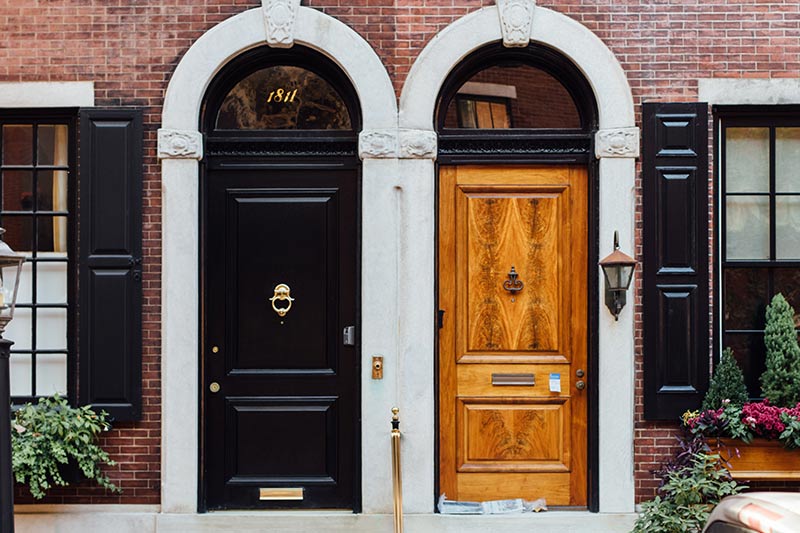
Think about the entrance to your home. If there are steps, a gracefully designed ramp can be integrated into the landscaping with attractive planters and railings, making it a design feature rather than a purely functional addition. Inside, swapping doorknobs for elegant lever handles is a small change that makes a big difference for anyone with reduced grip strength.
The most successful adaptations are those that feel like they were always part of the home’s design. It’s about choosing products and solutions that are well-designed and fit your personal aesthetic. Planning ahead and embracing change with a focus on style and quality helps you create a forever home that is not only beautiful but perfectly attuned to your needs, allowing you to live independently and comfortably in the space you love.
A thoughtfully adapted home is a testament to forward-thinking design. It’s a space that nurtures and supports you, proving that practicality and beautiful interior design can, and should, coexist harmoniously.