How to Spot Property Features Past Their Prime
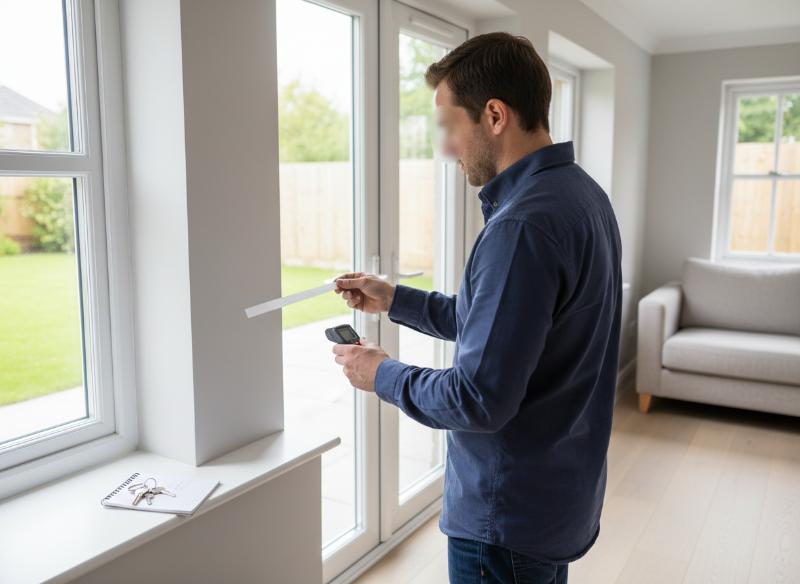
A property can look beautifully maintained yet hide costly problems behind fresh paint, modern finishes, and stylish fittings. Overlooking worn windows, unreliable doors, or deteriorating fixtures can lead to repeated repair bills, reduced comfort, and unexpected expenses after purchase. Understanding how to assess a property’s functional condition can help you spot hidden issues, avoid costly mistakes, and recognise upgrades that offer lasting value.
Look Beyond Surface Aesthetics
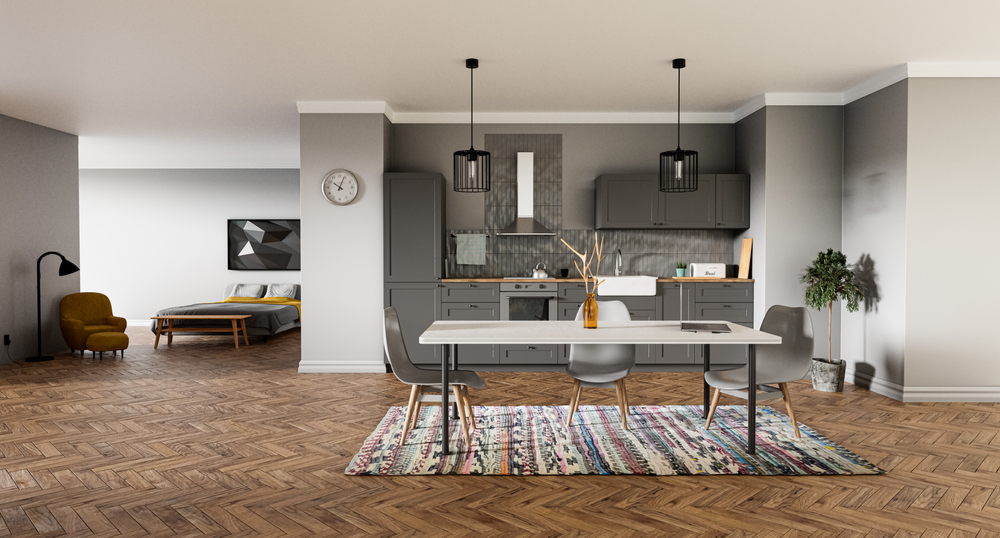
Start by separating decorative details from the parts that affect comfort and performance. Paint colours, handles and light fittings are relatively simple to update. Windows, exterior doors, flooring and fitted storage are more disruptive and expensive to replace.
Advice on assessing cosmetic property features can help you keep surface appearance in perspective. Look closely at corners, joins and high-use areas. A newly painted window frame may still feel soft beneath the finish, while laminate flooring can hide movement or moisture damage around the edges. Open cupboards, test locks, and check for draughts on a cool day. If several rooms show the same problem, you may be seeing age-related deterioration instead of an isolated defect.
Telltale Signs of Functional Failure
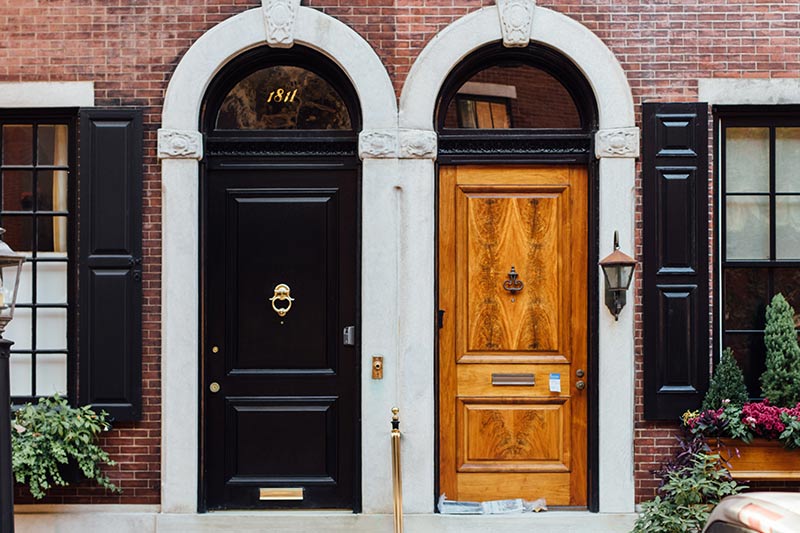
Use each feature as it was intended. Open windows fully, run taps, operate extractor fans and listen for scraping, rattling or straining sounds. Repeated sticking, uneven movement and excessive noise often indicate worn components or poor alignment. Condensation between panes points to a failed window seal, while doors that no longer sit square in their frames may need more than a cosmetic adjustment.
Large moving installations deserve particular attention because unreliable operation can affect access, insulation and home security. Homeowners weighing repair against replacement can check the common signs you need a new garage door, including frequent breakdowns, visible damage and worsening noise. For a broader inspection, this guide to property condition explains why appearance alone gives an incomplete picture.
The True Cost of Patchwork Fixes
Record how often the same feature needs attention. One repair may be sensible, but three call-outs for the same fault within two years suggest that the underlying system is wearing out. Add the repair bills to any indirect costs, such as heat loss, damaged surrounding finishes or time spent arranging repeated visits.
Patchwork work can also leave a property looking inconsistent. Replacing a few cracked floorboards may expose differences in colour and height, while sealing a draughty frame each winter only treats the immediate symptom. Ask for separate estimates for repair and full replacement, including removal, disposal and making good. Then compare the likely service life of each option. A cheaper repair with a one-year outlook may offer poorer value than a replacement expected to perform reliably for a decade.
Modern Features Buyers Prioritise
Buyers tend to notice improvements that reduce daily effort and running costs. Good insulation, secure entry points, dependable windows and effective ventilation usually carry more practical appeal than highly personal decorative upgrades. Storage also matters, particularly when it uses awkward spaces without making rooms feel cramped.
Choose replacements that suit the age and proportions of the property. A traditional home can gain modern thermal performance without losing its character, provided the colours and profiles are sympathetic. Keep invoices, guarantees and product details together, as these show when work was completed and what cover remains. If you plan to sell soon, prioritise visible functional faults such as damaged frames, noisy mechanisms and uneven flooring. These defects can make buyers wonder what other maintenance has been postponed.
Treat recurring faults as evidence, especially when they affect security, warmth or everyday access. A dated finish can wait, but a feature that sticks, leaks or repeatedly breaks down deserves a proper cost comparison before another temporary repair is booked.