Why Spontaneous Nightlife Plans Need Better Strategy

Spontaneous nights out often lose their spark when nobody can agree on where to go. One person wants live entertainment, another prefers somewhere relaxed, and someone else is checking travel times while the group chat fills with vague suggestions. A simple strategy keeps the evening flexible without wasting an hour outside a station. The trick is to settle a few practical details early, then leave enough room for an unexpected recommendation or last-minute change.
Escaping the Decision Fatigue Cycle
Too many choices can make a group less decisive. If six people each suggest three venues, you suddenly have 18 options and no clear way to compare them. Set two priorities before searching, such as location and atmosphere, then discard anything that doesn’t fit.
It also helps to appoint one person to create a shortlist of three options. Everyone else gets a single vote, and the most popular choice wins. Community-focused guidance on creating a life at night plan highlights how transport, safety and local activity work together after dark. Those same factors are useful on a smaller scale when planning your own evening.
Finding Quality Spots on the Fly
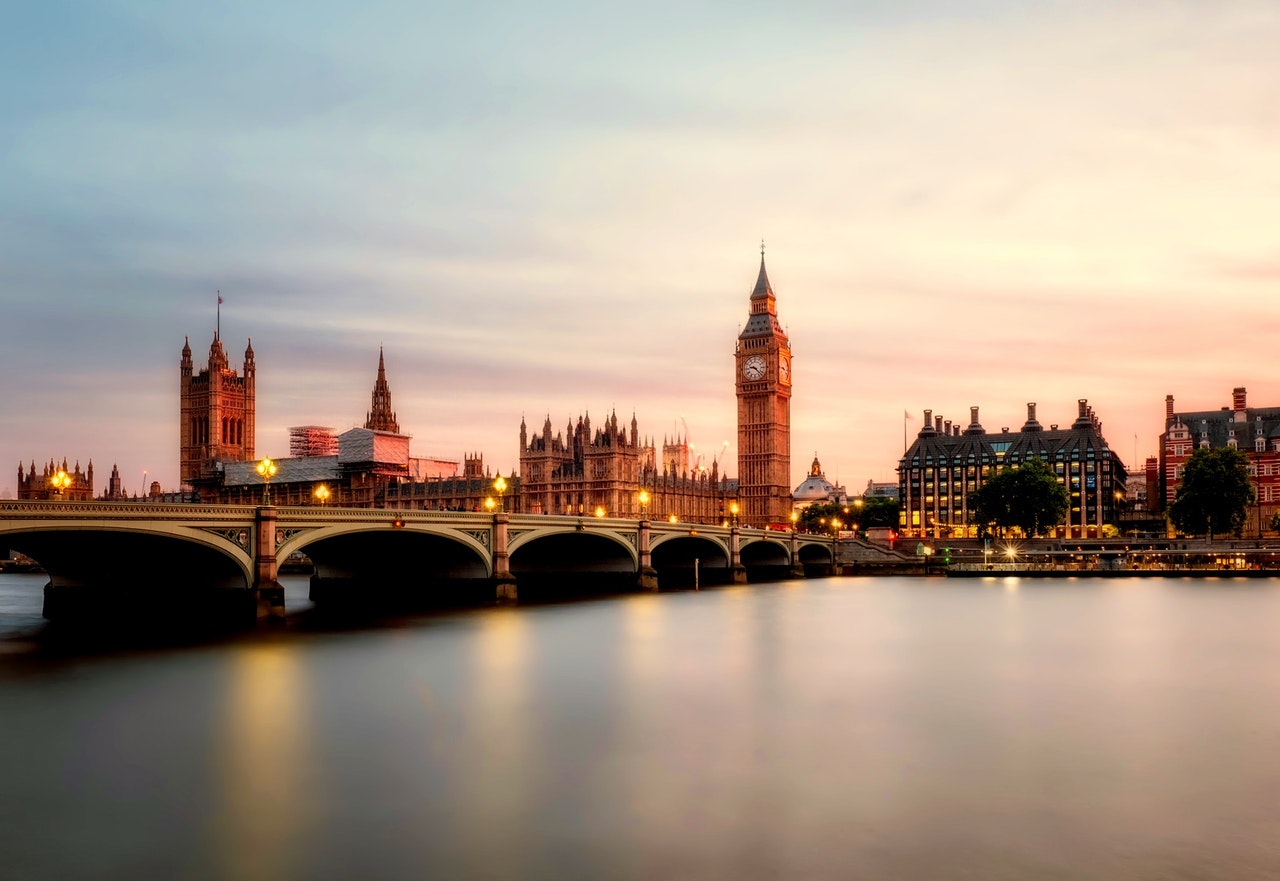
Last-minute venue searches need filters. Check the official website for opening times, entry details and event information, then read several recent reviews. Photos uploaded by visitors can reveal the real atmosphere more clearly than polished promotional shots. You can also keep up with London’s nightlife and entertainment options to discover events and venues beyond the usual recommendations.
Search terms should also reflect what the group actually wants. Someone looking for adult entertainment in central London might use the phrase strip club near me and then check the venue’s location, entertainment, and table or private-event options directly. Other groups may prefer late-night theatre, live music or a dessert café.
Save one nearby backup as well. If the first choice has a queue or private booking, you can change course without restarting the debate.
Setting Ground Rules for the Group
Agree on the practical limits while everyone is still at home. A useful group plan covers the maximum entry cost, the area you’ll stay in and the approximate time you expect to leave. Confirm how everyone will get home too, especially if public transport becomes less frequent later at night.
Keep these rules simple enough to remember. For example, the group might agree to stay within a 15-minute walk of one station and wait no longer than 20 minutes for entry. Sharing live locations can help if someone arrives separately, although each person should be comfortable with that arrangement.
Finally, respect a clear no. Nobody should feel pressured to enter a venue, spend beyond their limit or remain somewhere that feels uncomfortable.
Balancing Structure and Spontaneity
A good plan provides fixed points, not a minute-by-minute schedule. Choose the meeting place, first venue and journey home in advance, then leave the middle of the evening open. This gives the group room to follow a recommendation without losing track of time or budget.
Some people use chance-based planning tools to add variety to last-minute outings. A shared list can work just as well: write down three suitable venues and use a random selector if the vote is tied.
Before leaving the first location, take two minutes to check closing times and travel distance. That small pause can prevent the spontaneous part of the night from becoming a long walk to somewhere already closed. The best evening plan leaves space for surprise while keeping one reliable option close at hand.