Why Modern Pet Parents Struggle with Work-Life Balance
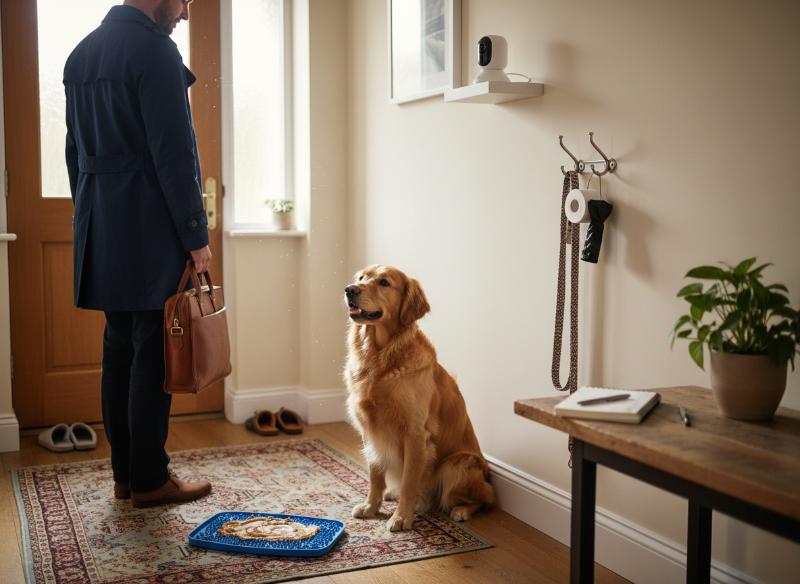
Hybrid working has changed daily routines for many pet owners, but pets don’t always adapt as quickly as their humans. A dog that grew used to constant company may find a full office day confusing, while its owner spends the commute worrying about chewed furniture or distressed neighbours. This tension can make work-life balance feel impossible. A steadier routine, suitable daytime support and calmer evenings can help you meet your pet’s needs without allowing guilt to take over your working week.
The Shift Back to the Office
Prepare your pet for office days before your schedule changes. This practical guidance on helping pets cope recommends gradual adjustments, which can be easier than switching suddenly from constant company to eight hours alone.
Start leaving the house for 15 to 30 minutes, then slowly extend the time if your pet remains settled. Follow the same morning pattern on remote and office days, including breakfast, exercise and a quiet period. Predictability helps pets understand what happens next. It also gives you time to spot problems before an important meeting or long commute makes the situation harder to manage.
Managing Separation Anxiety
Learn the difference between mild boredom and genuine distress. Common separation anxiety signs can include persistent barking, destructive behaviour, indoor toileting and frantic pacing. A camera may help you see when the behaviour begins and how long it lasts.
Avoid dramatic departures or excited reunions, as these can make leaving feel like a major event. Give your dog a calm activity shortly before you go and keep exits low-key. If your dog struggles with long periods alone, puppy and dog day care may provide supervised companionship, exercise and enrichment during the working day. Choose a setting that suits your dog’s age, temperament and comfort around other animals. Speak to a vet or qualified behaviour professional when symptoms are severe or getting worse.
Outsourcing Daytime Responsibilities
Reliable help can protect both your working hours and your pet’s routine. Day care may suit sociable dogs, while a familiar dog walker or pet sitter can be better for animals that prefer quieter surroundings. Consider your pet’s age, temperament, health and comfort around other animals before booking a service.
Regular exercise is another important part of maintaining a dog’s routine. Finding enjoyable places to walk can make outings more stimulating, as this review of enjoying regular walks with your dog illustrates. Choose activities and surroundings that suit your pet’s energy level and confidence.
Ask how staff handle introductions, rest periods and emergencies. Confirm collection times and find out what happens if traffic delays your return home. A trial session on a less demanding workday gives you space to assess how your pet responds. Keep a backup contact too, particularly if you have fixed office attendance, early meetings or an unpredictable commute.
Prioritising Restful Evenings
A busy office day doesn’t have to lead to an evening packed with pet-related chores and guilty overcompensation. Most dogs benefit from calm, focused interaction after work, such as a relaxed walk, a short training game or time sitting with you at home. Ten attentive minutes can be more valuable than an hour spent checking emails while throwing a toy.
Protect your own downtime as well. The advice on shifting your work-life balance can help you set firmer boundaries around messages and unfinished tasks. Put work devices away at a set time, prepare food and walking essentials in advance and keep bedtime consistent. A settled evening routine gives your pet clear cues that the household is winding down, leaving both of you better rested for the next office day.