Smart Home Design Tips for the Discerning Homeowner
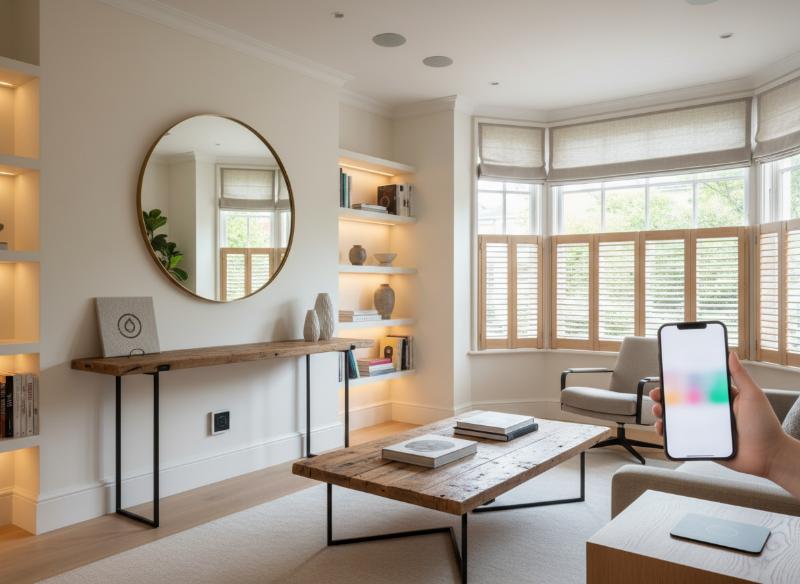
A truly modern home just *gets* you. It blends beautiful design with smart features, creating a space that feels luxurious yet totally intuitive. Think of it as technology working quietly in the background, making your life easier, comfier, and more secure. Building this kind of home isn’t about stuffing it with gadgets; it’s about a thoughtful design approach that puts harmony, light, and your personal comfort first.
For those who appreciate the finer things, smart design isn’t just a fleeting trend; it’s the new benchmark for sophisticated living. It means really thinking about how every little detail, from the lighting to the window treatments, helps create a cohesive and responsive atmosphere. This guide will dive into the main ideas behind smart home design, giving you practical tips to craft a home that’s as clever as it is elegant.
Harmonising Form and Function
The big idea behind smart home design is to create a space where you *feel* the technology, but you don’t necessarily *see* it. Gone are the days of bulky electronics and messy wires cluttering up your beautiful rooms. Now, the goal is to weave technology in so seamlessly that it just becomes part of your home’s architecture. This means giving equal importance to both how things look and how they work.
Take your entertainment system, for example. Instead of a huge TV dominating a wall, you could go for a projector with a screen that rolls up into the ceiling when you’re not using it. Speakers can be built right into your walls or ceiling and painted over, giving you amazing sound without any visual distractions. Even things like thermostats have gotten a glow-up, with sleek, minimalist designs that can show art or family photos when they’re not actively working.
This sense of harmony extends to furniture and fixtures too. Imagine desks and kitchen islands with wireless charging pads built right into the surface – no more tangled cables! Smart switches and outlets can be chosen to match your wall colours and textures, blending in perfectly. The trick is to plan these integrations right from the start of your design or renovation project. That way, the technology truly enhances your daily life without messing with your aesthetic vision.
Maximising Natural Light
Natural light is a superstar in interior design. It can make rooms feel bigger, lift your spirits, and even cut down on energy bills by reducing the need for artificial lights during the day. A smart home design strategy should always aim to make the most of natural light and, just as importantly, give you clever ways to control it.
Using the right colours and materials is key. Light-coloured walls, floors, and ceilings bounce sunlight around, brightening up the whole room. Large mirrors placed opposite windows can double the light and make a space feel deeper. If you’re renovating, think about making existing windows bigger or adding skylights to bring more daylight into those darker corners of your home. And don’t forget options like bay window shutters for a stylish touch. The ideas behind natural light in interior design are super important for creating a welcoming and healthy environment.
But managing all that light is just as crucial. Uncontrolled sunlight can cause glare, fade your furniture, and make a room too hot. That’s where smart window treatments come in. Automated blinds and curtains can be programmed to open and close based on the time of day or where the sun is, making sure you always have the perfect light levels. They can even link up with your home’s climate control system, closing automatically on hot days to keep things cool inside and give your air conditioning a break.
Bespoke Solutions for Unique Spaces
Every home has its own unique personality and architectural quirks, whether it’s awkward alcoves, soaring ceilings, or charming but tricky period features. A one-size-fits-all design just won’t cut it. True smart design means coming up with custom solutions that turn these unique characteristics into real showstoppers. This is especially true in cities like London, where modern flats and historic townhouses each bring their own design puzzles.
For instance, that oddly shaped corner could become a dramatic display area with custom-built shelving that includes integrated LED lighting. A double-height living room might benefit from a smart chandelier that can be lowered for cleaning or to create a cosier vibe. It’s all about looking at a space’s challenges and seeing opportunities for intelligent, tailored solutions.
Window treatments are a perfect example of where custom design really shines. For features like period bay windows, standard options often fall short, leaving awkward gaps or just not suiting the window’s shape. Custom treatments can be set up so each panel works independently, letting you control light and privacy with incredible precision.
Integrating Technology Seamlessly
A truly smart home is one where all the different tech bits work together as one big system. Having to juggle a dozen different apps to control your lights, thermostat, security, and music is just annoying and defeats the whole point of a “smart” home. The secret to a smooth experience is a strong, centralised control system.
Platforms like Apple HomeKit, Google Home, and Amazon Alexa act as your home’s brain. They let you control all your connected smart home devices from a single app, with voice commands, or through automated routines. For example, you could set up a “Good Morning” scene that slowly raises your blinds, turns on the lights to a warm glow, adjusts the thermostat, and starts playing your favourite morning playlist – all with just one command.
Getting this level of integration is easiest when you plan it during a new build or renovation. This allows you to run the necessary wiring for a reliable, hard-wired network, which is often more stable than relying solely on Wi-Fi. You can also plan where to put smart speakers, sensors, and control panels so they’re both discreet and effective. If you’re updating an existing home, wireless technologies have come a long way, and a good smart home professional can help you design a powerful and reliable system without needing to tear down walls.
Sustainable Design Choices
Smart home technology and sustainable design are like two peas in a pod. By making your home more efficient and responsive, you not only boost your comfort but also shrink your environmental footprint and lower your utility bills. A well-designed smart home is a home that cares about the planet.
The most obvious example is the smart thermostat. These clever devices learn your household’s habits and routines, automatically adjusting the temperature to save energy when you’re out or asleep. Some can even use data from sensors to heat or cool only the rooms that are currently occupied. Similarly, smart lighting systems with motion sensors make sure lights are never left on in an empty room, while dimmers let you use just the right amount of energy needed.
Beyond technology, sustainability also means carefully choosing your materials. Opting for sustainable design materials like reclaimed wood, bamboo flooring, recycled glass countertops, or low-VOC (volatile organic compound) paints helps create a healthier indoor environment and a healthier planet. When these material choices are combined with smart systems that optimise energy use, you get a home that’s truly forward-thinking, responsible, and built to last.
Ultimately, designing a smart home is about creating your own personal sanctuary that truly responds to you. Blending beautiful aesthetics with clever functions helps you build a living space that’s not just gorgeous and comfy, but also efficient and perfectly in tune with your lifestyle.