How to Help Your Teen Prepare for Exam Season
The familiar rhythm of the school year often brings a familiar period of stress for many families: exam season. As GCSEs and A-Levels loom, it’s not just our teens who feel the pressure. Watching your child navigate this intense time can be challenging as a parent, and it’s often hard to know how best to help. The key is to offer support that empowers them to do their best without adding to their anxiety.
This guide shares practical ways you can support your teenager through revision and exams, helping them feel prepared, confident, and calm.
Create a Supportive Study Environment
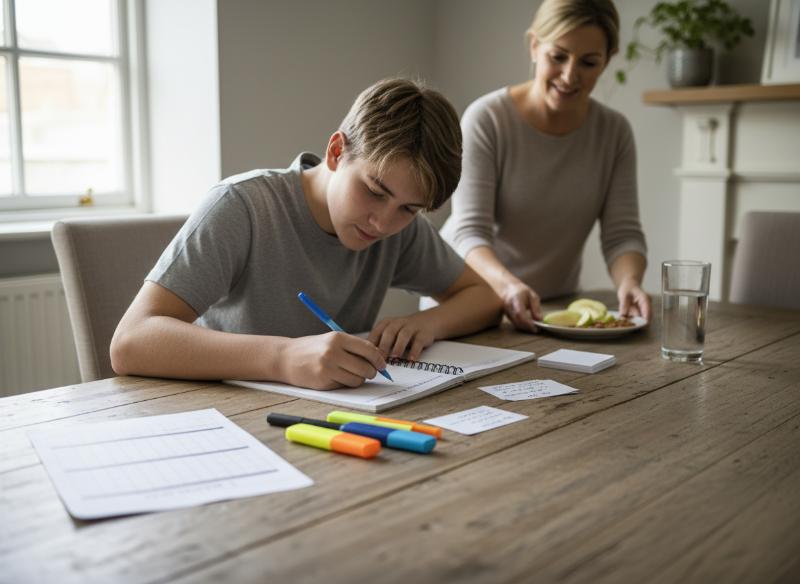
Your teen’s surroundings can really affect their ability to concentrate. While they might insist they can revise with the TV on and their phone buzzing, most research says otherwise. Help them set up a dedicated study space that’s quiet, tidy, and well-lit. This doesn’t have to be a separate office; a clear corner of the dining table or their own desk will work perfectly.
Try to minimise household distractions during their agreed study times. This could mean asking younger siblings to play in another room or keeping the television volume low. Simple gestures like providing healthy snacks and a steady supply of water can also make a huge difference. These small things keep their energy levels stable and show you care. It’s all about creating a calm, encouraging atmosphere where they feel able to focus.
Build a Realistic Revision Timetable
The sheer volume of work can feel overwhelming. A great first step is to help your teen break it down into manageable chunks with a revision timetable. Sit down with them and map out the weeks leading up to their exams. First, block out non-negotiable commitments like school, sports, or family events, then schedule in revision sessions for different subjects.
Encourage them to be realistic. A plan that involves eight hours of solid revision every day will likely fail and lead to feelings of guilt. Instead, aim for focused 45-50 minute sessions followed by a 10-15 minute break. When planning for specific subjects like English Literature, having dedicated GCSE revision materials can help structure their time effectively and make the task feel less daunting. The goal is a balanced schedule that prevents last-minute cramming and reduces stress.
Focus on Wellbeing, Not Just Grades
Exam performance isn’t just about academic knowledge; it’s also heavily influenced by physical and mental wellbeing. During stressful periods, it’s easy for self-care to slip. Remind your teen of the importance of the basics:
- Sleep: Growing brains need plenty of rest to consolidate learning. Encourage a consistent bedtime and a screen-free hour before they sleep.
- Nutrition: While comfort food has its place, a balanced diet rich in fruit, vegetables, and protein will boost concentration and energy far more than sugar and caffeine.
- Exercise: A walk, a run, or even just a quick kickabout in the garden can clear the head and reduce stress hormones.
It’s also vital to acknowledge the emotional strain. Let them know it’s okay to feel anxious and that you’re there to listen without judgement. If exam pressure is starting to affect them more deeply, learning how to support an anxious child can give you some practical ways to help them feel more secure and understood.
Encourage Smart Study Techniques
Working harder isn’t always the answer; working smarter often is. Many teens simply re-read their notes, which is one of the least effective revision methods. You can help them discover more active and engaging techniques. Suggest they try creating flashcards, drawing mind maps, or explaining a topic out loud to you or a friend.
Using past papers is another excellent strategy. It familiarises them with the exam format, helps with time management, and highlights areas where they might need more work. There are many ways you can support your child during exams, and guiding them towards these effective methods is one of the most practical things you can do. The aim is to help them become active learners who understand their material, rather than passive readers who just hope it sinks in.
Your role is to be their chief supporter. By providing practical help, a listening ear, and plenty of encouragement, you can help your teen navigate exam season with confidence and resilience. Remember to celebrate the effort, not just the results.