The Complete Modern Pet Owner’s Guide: Balancing Wellness, Home Life, and Financial Protection
Bringing a pet into your life is one of the most rewarding experiences. They fill our homes with joy, companionship, and laughter. But being a pet owner today means more than just providing food and a warm bed. It involves creating a rich, healthy, and secure life for our animal companions, which requires a thoughtful approach to their wellness, our home environment, and our finances. Understanding the financial realities of pet ownership is crucial for responsible pet parents, ensuring you can care for your furry, feathered, or scaled friends throughout their lives.
Modern pet ownership means committing to nurturing another living being. This involves being proactive about their health, smart with our budgets, and creative with our living spaces. Balancing these elements helps both you and your pet enjoy a happy, stress-free life together. This guide will walk you through the key areas for modern, responsible pet owners to focus on.
Proactive Pet Wellness: Beyond the Annual Check-Up
Keeping your pet healthy goes far beyond the yearly vet visit. A proactive approach to wellness includes everything from their daily diet to their mental stimulation. Good nutrition is the foundation for a long, healthy life. It’s worth researching the best food for your pet’s specific breed, age, and activity level. Remember that their needs will change as they grow from a playful kitten or puppy into a senior animal.
Regular exercise is just as important. For dogs, this means daily walks, runs, and playtime. For indoor cats, it involves encouraging play with toys that mimic hunting. Physical activity helps maintain a healthy weight, strengthens their muscles, and provides vital mental stimulation. Speaking of mental health, don’t underestimate your pet’s need for engagement. A bored pet can often become destructive or anxious.
Being prepared is a key part of this proactive approach. Knowing basic pet first aid and understanding what’s normal for your animal can make a huge difference. Having a good reference on hand, like the *Dog Owner’s Home Veterinary Handbook*, can help you assess situations calmly. Regular at-home checks of their teeth, ears, and coat are a cornerstone of pet health and wellness at home. This helps you spot potential issues like lumps, parasites, or dental problems early on, before they become more serious and costly to treat.
Smart Financial Planning for Your Furry Friend
The financial side of pet ownership is one of the most important, yet often overlooked, aspects of bringing an animal home. The daily costs of food, toys, and routine care can add up, but it’s the unexpected expenses that can truly impact your budget. An accident or sudden illness can lead to vet bills running into the thousands, creating a stressful situation for any owner.
Creating a dedicated savings account for your pet is a great first step. Putting a small amount away each month can build a helpful fund for both planned expenses, like annual boosters, and minor emergencies. However, for major medical events, savings alone might not be enough. This is where planning ahead becomes essential. One of the most effective ways to manage unexpected vet bills is to protect your pets with insurance by having a policy in place before you need it. It provides a safety net, allowing you to make decisions about your pet’s care based on their needs rather than your immediate financial situation.
When considering your options, look at what different policies cover. Some may include dental care or complementary therapies, while others might focus purely on accidents and illnesses. Thinking about this early in your pet’s life is the smartest move, as many policies have restrictions on pre-existing conditions.
Creating a Pet-Friendly and Stylish Home
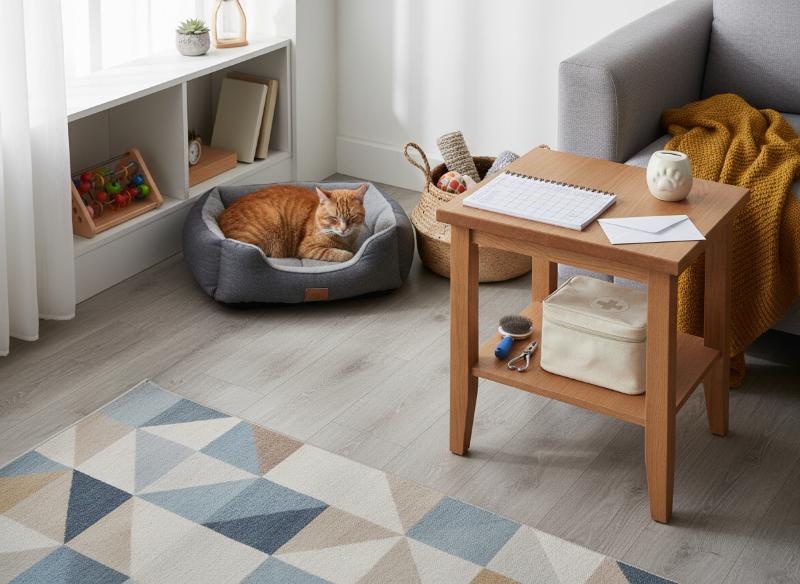
Your home is your sanctuary, and it can stay that way even with a four-legged resident. The key is to make smart, stylish choices that accommodate your pet’s needs without sacrificing your aesthetic. When choosing furniture, consider durable, easy-to-clean fabrics like microfibre, leather, or tightly woven canvases. Throws and blankets are also your best friend; they can protect sofas and chairs while adding a cosy touch of colour and texture.
Designating specific zones for your pet can also help maintain order. Create a comfortable corner with their bed, a feeding station in the kitchen with non-slip mats, and a specific basket or box for their toys. This not only keeps things tidy but also gives your pet a sense of security and routine. When it comes to flooring, hard surfaces like tile or laminate are easier to clean than carpets. If you love rugs, opt for low-pile, patterned options that are better at hiding stray fur and are easier to vacuum.
Finally, think about pet safety. Many common houseplants can be toxic to cats and dogs, so do your research before adding new greenery to your space. Secure loose wires and cables, and ensure that cleaning supplies and other chemicals are stored safely out of reach. A pet-friendly home is a safe home.
Enrichment and Engagement: Keeping Your Pet Happy
A healthy pet is a happy pet, and happiness comes from more than just physical well-being. Mental enrichment is vital for preventing boredom and related behavioural issues. For dogs and cats, puzzle feeders are a fantastic way to make mealtimes more engaging. These toys require your pet to solve a simple problem to get their food, which stimulates their brain and slows down fast eaters.
Training is another powerful tool for engagement. It’s not just about teaching basic commands; it’s a way to strengthen your bond and improve communication. Short, positive training sessions can be a fun activity for both of you. For social animals, especially dogs, regular interaction with other animals and people is important for their development. This could be through organised puppy classes, trips to a dog-friendly park, or just meeting other dogs calmly on walks.
Creating a stimulating environment doesn’t have to be complicated. For cats, a tall cat tree near a window provides a safe place to climb, scratch, and observe the world outside. For dogs, a rotation of different toys can keep things interesting. The goal is to provide outlets for their natural behaviours, whether it’s a cat’s instinct to scratch or a dog’s desire to chew. Thinking about your pet’s mental needs is a core part of a comprehensive pet wellness strategy.
Being a pet owner is a wonderful responsibility. By thoughtfully considering your pet’s health, your finances, and your shared living space, you set the stage for a long and beautiful friendship.